Fruit Trees For Sale From Blue Hill Wildlife Nursery!
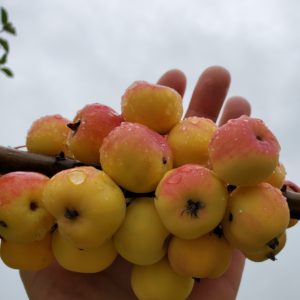
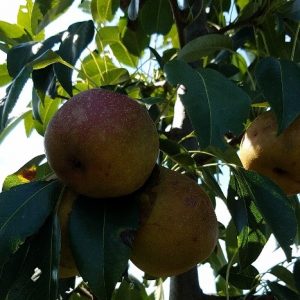
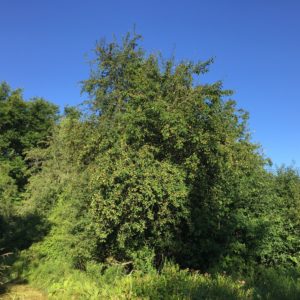
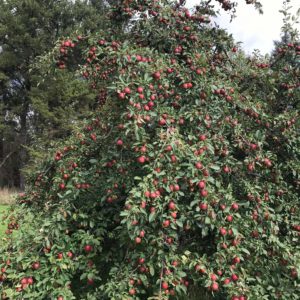
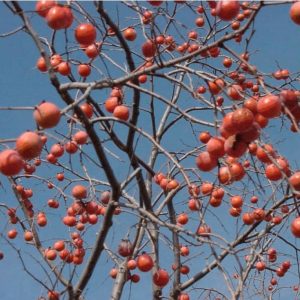
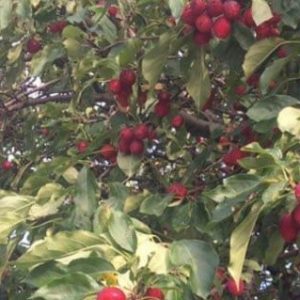
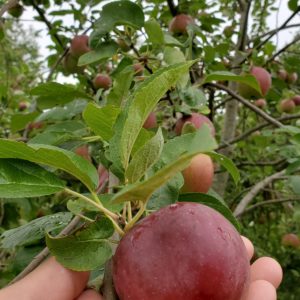
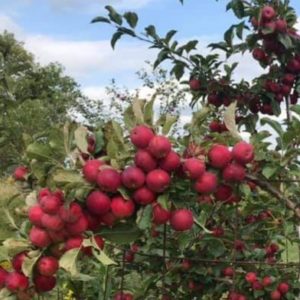
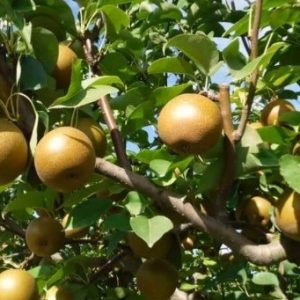
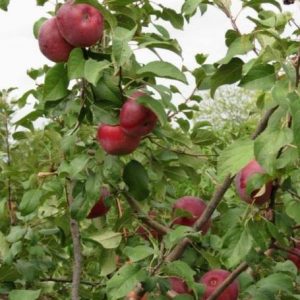
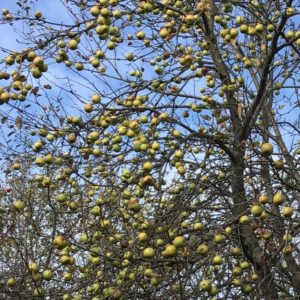
We are a wildlife nursery based in Pennsylvania, specializing in low maintenance and heavy producing soft and hard mast trees for wildlife. On this website you will find a lot of newly named apple, pear, persimmon, crabapple and chestnut trees that are excellent for wildlife, especially the Whitetail deer.
They have all been discovered, evaluated, gathered and are being propagated in an effort to forever change the way we feed wildlife. These NEW fruit trees have proven themselves to be something special, such as being heavy and consistent producers , disease resistant, having specific drop times, good taste, and cold hardiness.
These varieties of trees are coming from our North Eastern states, and as far west as Minnesota. Our newly named varieties are just a select few chosen from tens of thousands of trees we evaluated because they passed our strict standards. We don’t offer anything that we wouldn’t plant for ourselves!!!
Our trees plus our hard work to bring you top quality is why planting Blue Hill Wildlife Nursery trees (BHWN) will bring you and your wildlife plantings into the 21st Century!
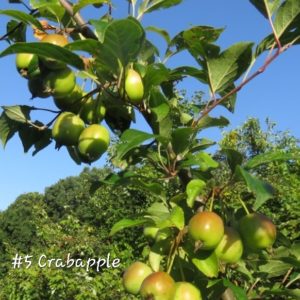
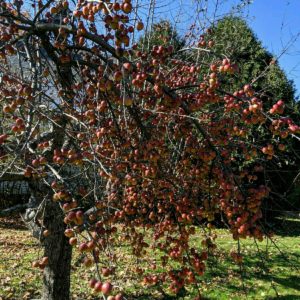
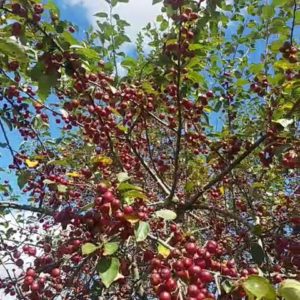
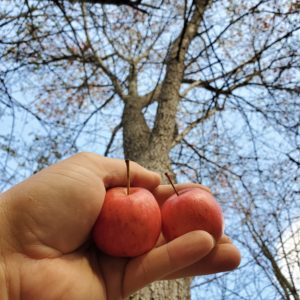
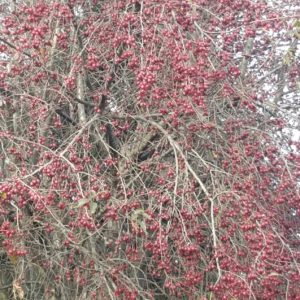
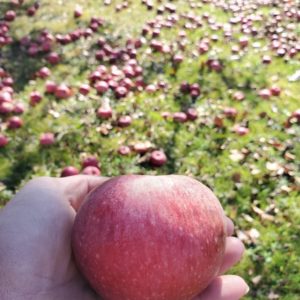
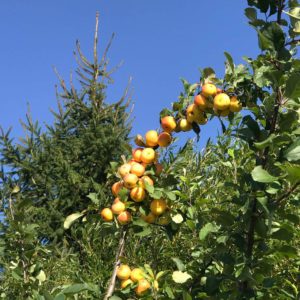
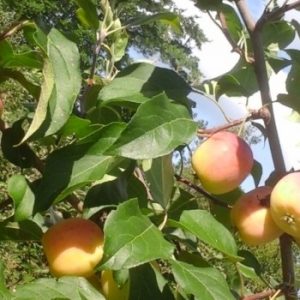
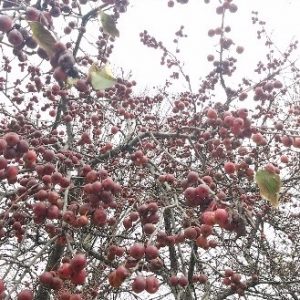
This grafted crabapple bears quarter-sized+ crabapples annually that fall free from the tree from October through December, with many persisting into January in the north. #5 Crabapple is a tree where deer are beating paths down to get apples in late November, December, and January here in Pennsylvania as colder temperatures come. This crabapple is highly resistant or immune to cedar apple rust, fireblight, scab, and powdery mildew.
The vigor of this tree is extreme, as it compounds growth very fast. #5 Crabapple is exceptional in many ways, from growth to production to disease resistance. It's a wildlife tree and one that does its job very well.
Therefore, I would encourage you to plant this tree even in the Deep South if you want a bulletproof tree-dropping crabapple in November and December. The mature height of #5 crabapple is 20'+ and suitable for plant hardiness zones 5-9.
Select a tree size to be able to sign up for email alerts when the product becomes in stock.
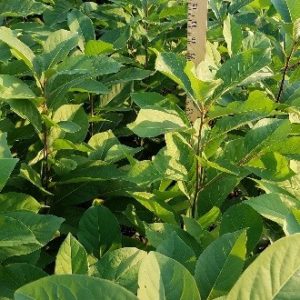
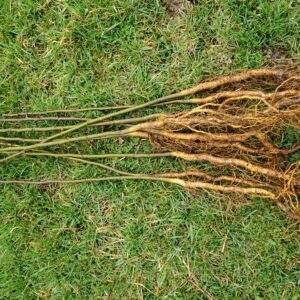
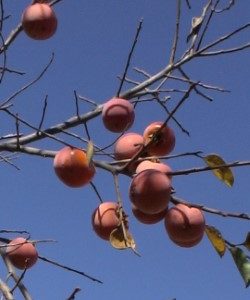
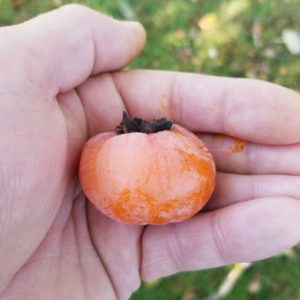
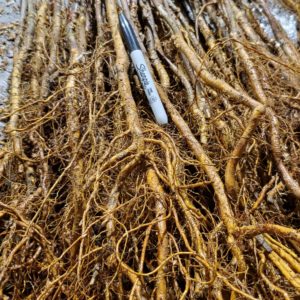
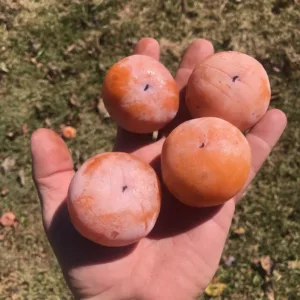
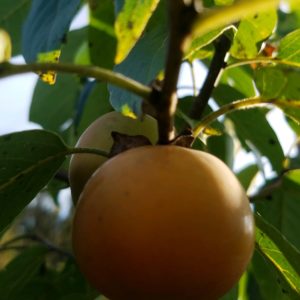
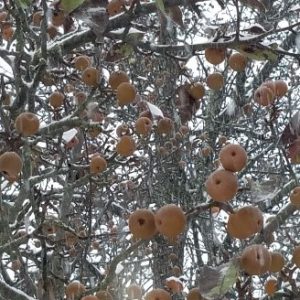
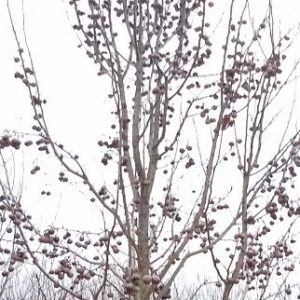
These are American persimmon tree seedlings. They are grown from 90 chromosomes of cold hardy America persimmons (Diospyros virginiana), all northern sourced seed. These Persimmon tree seedlings will reach heights between 50' - 80'. These trees are grown from the seed derived from the Full Draw™ persimmon tree, seedlings from the late Jerry Lehmans orchard, and BH Hoosier. BH Hoosier seedlings are derived from many of our favorite persimmons, with Szukis being the pollinator to produce the seed. When producing from all female trees, the odds go up on having many female trees in your planting of seedlings. These are all cold hardy to about -30° F. They bloom from late May to early June, avoiding late damaging frosts to blossoms. Many times, American persimmon are referred to as common persimmon. However, these are anything but a common persimmon tree. These fast-growing persimmon trees are Vigorous, producing an extensive root system as seen in the pictures. Female persimmon trees produce fruit annually. Deer relish persimmon trees for their sweet plum-like fruit that drops in early fall through winter. Seedlings will be male or female. Only female persimmon trees produce fruit. Be sure to plant in groups of 6 to 10 and use tree spacing of 5-10'. Persimmons are very shade tolerant; even the center female will produce fruit from top to bottom as the trees mature together. When planting seedlings, you will get a variety of drop times from late summer through fall and into winter. When planting these persimmon seedlings into optimal soil, the females will begin flowering and producing in four years or less and carry their fruit. Going through the pictures, you can see what I mean about spacing and planting to create something extraordinary, as seen in the pictures on November 9th. Your options are below in size and variety. These will have a mature height of 50' to 80'. Position them accordingly into your plantings so they don't shade out other trees.
Select a tree size to be able to sign up for email alerts when the product becomes in stock.
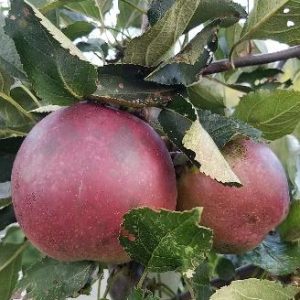
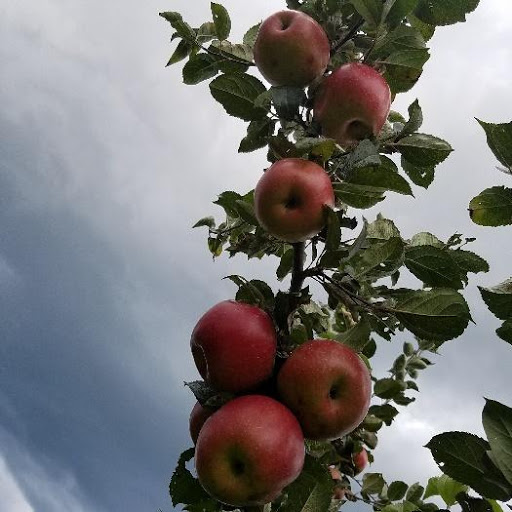
This grafted apple will give you a tree with excellent disease resistance and an abundance of apples at a very young age. In a no-spray situation, Arkansas black apple has shown extreme resistance to apple scab, cedar apple rust, and fireblight. I have seen some powdery mildew in a situation where moisture is excessive, like in a tree tube. I have never had an issue when growing a tree in a fence. It's an early-producing standard-sized apple with a great taste. This tree will begin dropping in late October and continue through November, with a few lingering into December. The main drop here in Pennsylvania occurs in the first three weeks of November. These apples are great for fresh eating out of hand during this time. The apple is crisp, has a great juicy flavor, and is one of my favorites. Arkansas Black is a very productive apple tree, producing a great apple annually. This tree will reach a mature height of 20'+. Plant Hardiness zones 5-8.
Select a tree size to be able to sign up for email alerts when the product becomes in stock.
This Grafted crabapple produces a 1 1/2'' crabapple with long weeping branches hanging very full of crabapples annually. In a no-spray situation, I have seen strong resistance to all 4 common apple tree diseases. To include no apple scab, CAR, powdery mildew, and fireblight. Dropping through the month of August, it is the perfect tree to start bringing deer into your orchard to establish their feeding pattern. Here in Pennsylvania, it continues to drop a lot of fruit well into September. You will notice these apples disappear from the ground very fast. August Appricot is a good crab with a good taste. This tree will begin bearing fruit in as little 1 to 2 year depending on site selection and soil fertility. August Apricot will have a mature height of 20'+. Plant Hardiness zones 5-8
Select a tree size to sign up for email alerts when the product becomes available.
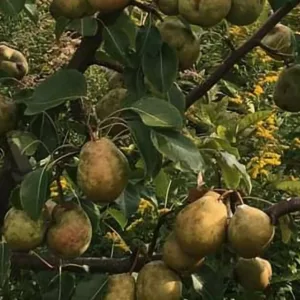
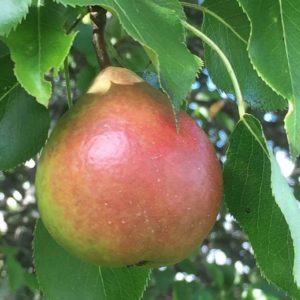
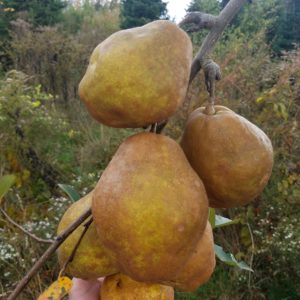
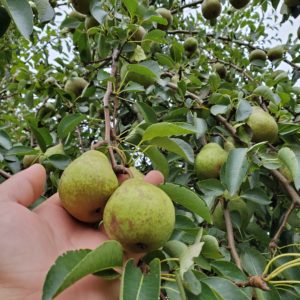
This grafted pear tree produces a dessert-quality pear. Ayer's pear begins dropping in very late August to the beginning of September, and pretty much finishes dropping by the end of September here in central Pennsylvania. Moving this tree south from here may drop a little earlier, depending on when your trees bloom. Drop times will move forward as you move it north. This is perfect timing, as the bucks begin shedding their velvet and a few start dispersing to set up their new home range. I wouldn't create an orchard that didn't have fruit falling at this time, so you can pick up some new bucks without losing them. Ayer's is just one tree that is an excellent example of a tree capable of doing so. It's a good tree that stays disease-free in a no-spray situation. I have seen no FireBlight in this tree and good resistance to scab in a no-spray situation. This tree has excellent vigor and produces annually with a decent-sized European pear that is very sweet as it falls (no need for cold storage to become sweet). Ayer's pear will reach a mature height of 20'+. Suitable for plant hardiness zones 5-7.
Select a tree size to sign up for email alerts when the product becomes available.
Benton® cherry is a medium to large sweet cherry that turns dark red as it ripens, with excellent flavor. This cherry tree ripens before Stardust™, giving you an extended time for cherry picking when planting both. Benton is self-fruitful, late-blooming, and has resistance to cracking. The tree is suitable for plant hardiness zones 5-8 and will have a mature height of 20'.
Select a tree size to sign up for email alerts when the product becomes available.
This Grafted apple crab tree is a heavy spur-producing tree that is annually productive, producing a 2'' apple crab with excellent disease resistance. Big Dog Crab has resistance to immunity in many common apple tree diseases such as cedar apple rust, apple scab, powdery mildew, and fireblight in a no-spray situation. Big Dog will begin dropping in mid-October and continue into mid-January when planted in the northern part of the country. This tree pounds down the fruit in central Pennsylvania from mid-October into mid-November. The tree is partially self-fertile and produces an extensive array of blooms in the spring. It is not unusual to see Big Dog crab put off flowers the 1st year when planting them, as Big Dog crab is very precocious and begins producing at a young age on that one-year-old wood. This apple crab is late dropping and is an impressive tree, but you can easily see that from the pictures. The vigor in the tree is average, but everything else in this tree is exceptional. Big Dog will reach a mature height of 20'+. Plant Hardiness Zones 3-7. For a video of Big Dog Crab, click here.
Select a tree size to be able to sign up for email alerts when the product becomes in stock.
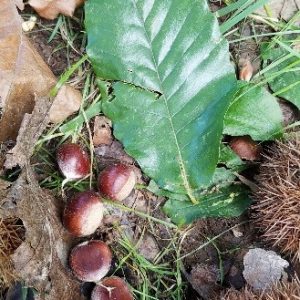
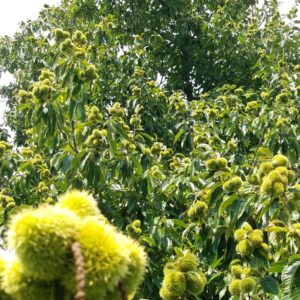
This chestnut tree is not big, but its nut production is! Big Lucky™ chestnut has a mature height of around 30', perfect for adding to an orchard where other fruit trees are growing and you're not looking to shade them out. The tree has outstanding vigor and good blight resistance. Big Lucky™ drops an overabundance of medium-sized sweet nuts from late September through October.
As you can see in my pictures, the deer turn the dirt to mud under this grove of trees. The leaves seem less desirable to insects on Big Lucky™, as I don't see them bothered much. The resident orchard of the original trees is located here in Central Pennsylvania. This chestnut tree is suitable for Plant hardiness zones 5-8
Select a tree size to be able to sign up for email alerts when the product becomes in stock.
This grafted apple tree produces a sweet and very edible three-inch apple. As you can see in the pictures of the original Big Ten™, this tree is immaculate in a no-spray situation, with all major apple tree diseases heavily present within the immediate area. The fruit ripens and falls free from the tree from late October through the month of November here in the north. The vigor is good, and the tree seems pretty precocious, as seen in the picture of a freshly planted one setting a good amount of fruit. Big Ten is upright and has weeping limbs from carrying massive fruit loads through the years. The original tree stands in Plant hardiness zone 4b, but this tree has seen -35 in its lifetime, making it suitable for plant hardiness zones 4-7. Mature height will be 20'+ Plant Hardiness zones map 4-7.
Select a tree size to sign up for email alerts when the product becomes available.
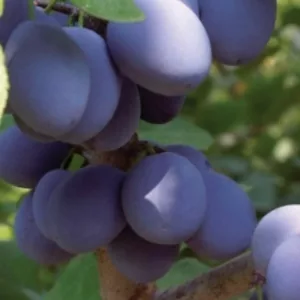
Bluebyrd is a great European-type plum that has excellent resistance to black knots. Black knot is one of the most common ailments to afflict plum trees. It is caused by the fungus Apiosporina morbosa and will severely limit fruit production on plum trees and eventually cause death to the trees. Bluebyrd is a vigorous, hardy, productive tree with good black knot resistance! Bluebyrd produces fruit with bright blue skin, and the fruit's flesh is yellow. The fruit it produces is medium to large, has a great flavor, and has a high sugar content. A tree like this will add diversity to your property with a different bloom time than apples, pears, and persimmons. The diversity in bloom is an excellent thing to ensure a crop. Plums will give the wildlife more food sources as a few bucks start dispersing in September, and soft mast is critical. Bluebyrd is grafted onto a Standard seedling rootstock making this a large tree with 20+ height. This tree has a September drop time and is suitable for USDA plant hardiness zones of 5-8.
Select a tree size to be able to sign up for email alerts when the product becomes in stock.This grafted crabapple is very cold hardy and productive. It produces a very large 2” AppleCrab that tastes very close to a Dolgo crabapple. This crabapple will be dropping free from the tree from October through winter, and will even keep a few apples on into March. The Buckman Crab produced heavily following a winter that had a low of - 41 degrees. This late dropping crabapple as shown good resistance to apple scab, powdery mildew, fireblight and especially cedar apple rust in a no spray situation. Mature height will be 20'+. Plant Hardiness Zones 3-6. For a video of the Buckman Crabapple click here.
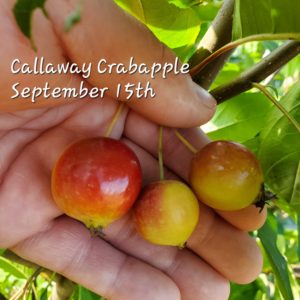
A commercial variety of grafted crabapple, widely grown as an ornamental tree, has made its way into wildlife plantings. This tree produces a 1"- 1 1/2" sweet edible crabapple that persists on the tree and begins casting fruit as colder weather sets in. You may say one inch sounds small, but think about how many 1" acorns a deer can eat. Now, picture them being a sweet, soft mast. Attractive to deer? Yes! This tree produces consistent annual crops of crabapples. Like most crabapples, they persist on the tree, but as they mature, they cast a lot of fruit to the ground. Callaway has good resistance to almost all common apple tree diseases except that it only has moderate resistance to Cedar apple rust and quince rust in a no-spray situation. Enough disease resistance to make it a tree you should plant if looking to feed wildlife late in the year! As seen in the pictures, the deer will clean all the fruit off branches hanging low enough. I would not have an orchard without a couple. This tree will reach a mature height of 20'+. Plant Hardiness Zones 4b-8
Select a tree size to be able to sign up for email alerts when the product becomes in stock.
This grafted Chestnut crabapple tree produces a 2’’ apple that is very good for fresh eating, ripens in early September, with a few apples persisting on the tree into October. This tree is a favorite for eating out of hand to many that have planted it. Chestnut crabapple trees have excellent disease resistance to common apple tree diseases. In a no spray situation I have seen great resistance to apple scab, cedar apple rust, powdery mildew and fireblight. This tree is annually productive with heavy crops and is very cold hardy down to Zone 3. Chestnut Crab will reach a mature height of 20'+. Plant Hardiness zones 3 - 8.
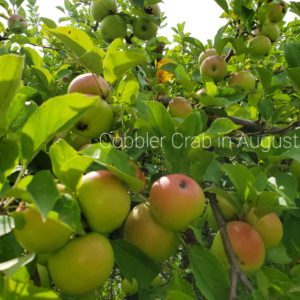
Select a tree size to be able to sign up for email alerts when the product becomes in stock.Cobbler Crab™ is a new cultivar. This grafted tree produces an applecrab over 2'' in diameter, annually and heavily. The fruit is crisp, sweet with a touch of tartness which will mellow after time in storage or on the ground. Cobbler Crab™ keeps very well and may belong in your personal orchard as much as it does in your wildlife orchard. The vigor of Cobbler Crab™ is exceptional! The tree grows very fast when grafted onto Dolgo roots.
The fruit begins dropping in early October continuing into December and in some years has been found to still be holding and dropping 20% into January. While being surrounded by 1,000's of other wild apple trees, Cobbler Crab™ has shown resistance to Apple Scab, C.A.R, Fireblight and Powdery Mildew while other apple trees in the area are showing or have shown signs of these diseases here in the northeast. The tree originates from North Western Pennsylvania in hardiness zone 5a but has experienced winter lows of -24 in its life equivalent to those experienced in plant hardiness zone 4. Making this tree suitable for plant hardiness zones 4b - 7. Maturity height 20'+.
Select a tree size to be able to sign up for email alerts when the product becomes in stock.
CrimsonRub™ Crabapple produces an impressive number of quarter-sized crab apples annually, attracting considerable attention from local wildlife. I know this tree personally, and every deer heading toward the food plot hits this tree first. You've got to remember acorns on an oak tree are quarter-sized or smaller, and the deer take them down, and they do even more so when it's a good soft mast hitting the ground during the fall. The tree is clean, with no signs of disease, and exhibits high fruit production in a no-spray situation here in Pennsylvania. This crabapple tree begins to drop its fruit in mid-to-late October and continues through mid-November, with a small amount persisting into December. When I say a small amount persisting into December, that may be a thousand or two crabs hitting the ground, as I have never gone through and counted them. People look for late-dropping oaks and chestnuts, missing the opportunity for something even better, such as a soft-masted tree like CrimsonRub™ Crabapple. This crabapple has very high vigor and produces fruit on 1-year-old wood. CrimsonRub crabapple will reach a mature height of 20 feet or more. The original tree has withstood ambient temperatures as low as -20 degrees, making it suitable for plant Hardiness Zones 4b-8.
Select a tree size to sign up for email alerts when the product becomes available.This grafted female is a persimmon from Jerry Lehman’s collection and breeding efforts in Central Indiana. He named this tree deer candy for one reason. With 1,000+ persimmons produced on his property, this is the one that the deer are attracted to the most! Deer Candy drops from the 1st week in October through into November. It has large 2’’ sweet persimmons that fully ripen in central Pennsylvania. Deer candy is very precocious and begins bearing fruit very young. This tree will reach a mature height of 60'-80'. Suitable for Plant hardiness zones 5-9.
Select a tree size to sign up for email alerts when the product becomes available.
This is a grafted female persimmon named Deer Luscious™ that is self-fruitful, producing heavily without a male pollinator. The fruit is seedless without a pollinator. This original tree is well over 100 years old and growing out of the native range for American Persimmons in north-central Pennsylvania. This tree produces very sweet 2" sweet persimmons, dropping its fruit free from the tree beginning in mid-September and continuing to drop well into December. Deer Luscious™ produced abundantly after easily tolerating a temperature of -10 degrees after the polar vortex of 2019. The original tree has thrived during lows to -30 degrees multiple times throughout its lifetime. If you want to plant persimmon trees for deer in the north, this is easily one of my top choices, as it will ripen in time. From a culinary standpoint, this fruit has no black specks in the flesh and is very large, and the taste is very sweet and, above most all, American persimmons. The tree will flower and fruit soon after planting as it is very precocious but usually will abort fruit as most persimmons do and put its efforts into establishing wood, but will begin retaining fruit around year three or four and compound in production year after year. The mature height will be 80'+ and suitable for plant hardiness zones 4b-9.
Select a tree size to be able to sign up for email alerts when the product becomes in stock.This grafted female is self fruitful and from Jerry Lehman’s collection that originated in Central Indiana. It was chosen for its ability to hold the persimmons on the tree longer. Deer Magnet typically does not begin dropping until around December 1st, as the freezing weather of winter moves in. It’s sweet 1 ½” persimmons that ripens on the tree and has a very sweet taste as they hit the ground in November and continue into December here in the North East. This very late dropping persimmons are great for some late season hunting and will begin producing in as little as 3 years. Mature height 60' to 80'. Plant Hardiness zone hardiness zones 5-9.
Select a tree size to be able to sign up for email alerts when the product becomes in stock.This grafted crabapple has excellent disease resistance and is cold hardy down to Zone 3. It produces a slightly tart/spice apple that is very good tasting and is 1''- 1 ½” in size. Dolgo crabapple is very precocious and will bear fruit at a very young age. This Dolgo Crabapple begins dropping a few apples in late August and continues through September, and has some hanging in through October. Dolgo shows extreme vigor when grafted back onto a seedling itself. I have seen resistance to all common apple tree diseases in a no-spray situation. I have seen no apple scab, cedar apple rust, powdery mildew, or fireblight. This tree will reach a mature height of 20'+. Plant Hardiness Zones 3 - 8
Select a tree size to be able to sign up for email alerts when the product becomes in stock.
Elmo Persimmons produces the largest American persimmon fruit grown today. This grafted tree produces a large orange fruit that is great for human consumption and exceptional for feeding wildlife. This tree has an impressive upright spreading with great vigor. Elmo Persimmons bears heavy crops of huge persimmons annually, dropping from late October to December in the Northeast. This tree is vigorous, early producing, and typically produces in the 3rd year. Mature height 40'-60'. Plant hardiness zones 5-8.
Select a tree size to sign up for email alerts when the product becomes available.This apple is one of the best and most widely planted apple trees for wildlife. This grafted apple tree is vigorous and very productive, as it produces annually. In a no-spray situation, the enterprise apple tree is immune to apple scab and highly resistant to cedar-apple rust, Fireblight, and powdery mildew. This tree ripens at a perfect time during October and continues dropping apples into November in the Northeast. Here in central Pennsylvania, the peak of fruit dropping occurs in Mid to late October. I like the crisp, juicy apple flavor myself to eat out of hand, and the deer do too. Enterprise apple is a fast-growing tree with excellent disease resistance, making this a great apple tree to plant for deer. I would describe the Enterprise apple as a tree you don't plant one of you plant ten, but I like to hunt those first few weeks of November. This tree will have a mature height of 20'+ Plant Hardiness zones 4b-8.
Select a tree size to be able to sign up for email alerts when the product becomes in stock.
The Fall Draw™ Chinese Chestnut tree produces an abundant crop of sweet chestnuts every year. The vigor is very high, and the production is excellent. I planted 160 seedlings from the original Fall Draw orchard some years ago and have now selected six trees from that original planting. I selected these six trees based on vigor and production to propagate more trees from. It is an early producer (you will see chestnuts on your trees between 2 and 3 years, depending on the nutrients available in your soil). These trees produce a crop highly preferred by whitetail deer and very edible for human consumption. Its attractiveness, combined with its later drop (through October), makes it the perfect tree for planting in a hunting situation. Mature height 60' and suitable for plant hardiness zone 4b-8
Select a tree size to sign up for email alerts when the product becomes available.This grafted apple is a very productive tree that produces apples a year sooner than some of the other very popular disease-resistant apple varieties. Freedom is resistant to apple scab, cedar apple rust, powdery mildew, and fireblight. The tree you see in the picture is the same tree I use for my grafted trees. Freedom apple tree is annually productive, with an abundance of large apples ripening in mid-September and beginning to drop. The tree will cast fruit into October, with a few lingering into November and beyond. This apple is better suited for the north and a great replacement if you want abundant fruit that is very close in taste to a Honey crisp but way more manageable and much more productive in my region without spraying it every Sunday. Freedom has an exceptional taste, with a great crunch and excellent apple flavor. This tree will reach a mature height of 20'+. Plant Hardiness zones 4-7.
Select a tree size to be able to sign up for email alerts when the product becomes in stock.
A grafted female that is self fruitful, produces 1” Persimmons annually. The fruit ripens on the tree will become very sweet, begin falling free from the tree in mid September and will continue with just a slow steady drop lasting into winter . Full Draw™ has survived -30° F winter lows at a very young age, this is a very cold hardy persimmon tree. The combination of cold hardiness, early ripening in Pennsylvania with having a shorter growing season, and with the extended drop time makes the Full Draw™ persimmons one of best, if not the best persimmons tree available today when growing persimmons for the whitetail deer up out of the persimmons native range. That said, this persimmon has a very extended drop in the south and is one of the best persimmons for planting in the south as well. Mature height will be 60' to 80'. Plant hardiness zones 5-9
Select a tree size to be able to sign up for email alerts when the product becomes in stock.Glohaven peach is easily one of the best all-around peach trees to grow, whether you're growing it for your family to eat or for the wildlife (my deer gobble down peaches). This peach tree produces large, sweet peaches with excellent flavor, ripening in August, well-suited for fresh eating or canning. Glohaven produces a crop of peaches annually when grafted onto Bailey roots. The tree is vigorous and able to grow in less desirable locations, and is self-pollinating. The Glohaven peach tree has some good resistance to brown rot, a fungal disease that can cause significant damage to many peaches before they are ripe. They are one of the more cold-hardy peaches in this country, originating from Michigan State University. Glohaven peach is grafted to Bailey roots, the most cold-hardy roots we can grow peaches on, making this a great all-around tree for the northern climates. The tree will reach a mature height of 20' and is suitable for plant hardiness zones 5-8.
Select a tree size to sign up for email alerts when the product becomes available.
This grafted tree is one of the latest ripening apples. GoldRush apple ripens in late October through mid-November, yet hang well and won’t be dropping much until you receive a hard freeze. The start of dropping typically occurs in late November through the first weeks of December. This tree has average disease resistance, is scab immune, and is susceptible to cedar apple rust. GoldRush produces abundant crops of quality, excellent tasting apples. This tree will reach a mature height of 20'+. Plant Hardiness zones 5-8.
Select a tree size to be able to sign up for email alerts when the product becomes in stock.
This grafted crabapple produces 1 ½’’ apples that look and taste like a little Golden Delicious. The big difference is this tree begins bearing fruit heavily at a very young age. Grams Gift™ typically fruits the same year you plant it. Remove the fruit from this tree for the first few years as it will debilitate growth as it always heavily sets an amazing amount of fruit on young trees. This Tree is Self-fertile and one of the most productive trees I have ever seen. Grams Gift™ has excellent disease resistance, begins dropping in September, persists through October, and into November. In a no spray situation, Grams gift™ has excellent resistance to apple scab, cedar apple rust, powdery mildew, and fireblight. Gram gift™ produces abundant annual crops of crabapples in clusters on 1-year-old wood. Gram’s Gift™ produces heavy crops even during years of heavy insect pressure without being sprayed. As you can see, the fruit in this picture is almost flawless. Don't let the name full you on this tree. This is an exceptional tree in many ways and is a gift from my grandmother. This crabapple blooms for over a month. Frost is not going to get this tree! Grams Gift™ will reach a mature height of 20'+. Plant Hardiness Zones 5-8
Select a tree size to be able to sign up for email alerts when the product becomes in stock.This grafted pear tree produces a sweet, juicy pear with excellent flavor. Harrow Sweet Pears have a drop time throughout October. It produces a similar Bartlett-sized, yellow with red blush and some russeting on the fruit. This pear has good resistance to fireblight in a no-spray situation. This tree has excellent vigor and produces annually dropping the month of October with a large size European pear. This pear tree is very precocious and begins producing at a very young age. Harrow Sweet Pear will reach a mature height of 20'+. Suitable for plant hardiness zones 4b-7.
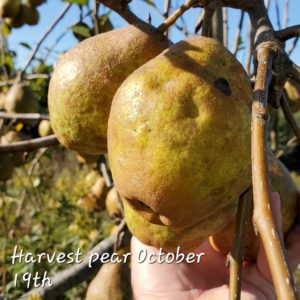
Select a tree size to be able to sign up for email alerts when the product becomes in stock.Harvest pear™ is a grafted pear tree that is annually productive, producing a sizeable European-style pear that ripens on the tree slightly later than Kieffer. The taste is similar to Kieffer as this pear goes very sweet as it ripens here in Pennsylvania in late October and starts dropping. Harvest Pear™ continues dropping into the middle of November, and as with most late-ripening pears, as the cold weather comes, those starches go to sugars, and the pear becomes very sweet. This attracts a lot of attention from all wildlife. Harvest Pear™ tree has excellent vigor. The tree is very productive and will benefit from some thinning of fruit to avoid limb breakage as the tree is overbearing. I have witnessed other pear trees meltdown with fireblight in the vicinity of Harvest Pear™, and yet this tree has remained clean. Harvest pear™ has resistance to fireblight and is suitable for plant hardiness zones 4b-7. The tree will reach a mature height of 25'.+
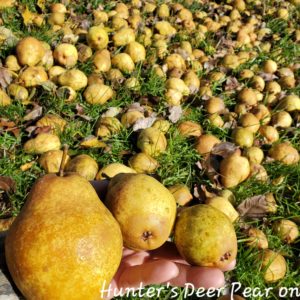
Select a tree size to be able to sign up for email alerts when the product becomes in stock.Hunter's deer pear™ is a grafted pear tree that is annually productive, producing a European-style pear that produces multiple-sized pears, dropping from October to November. The taste is sweet and above the Kieffer pear in late fall. As with most late pears, the taste of this one becomes very sweet as starches go to sugars, as the natural cold storage process happens in the fall. Hunter's Deer pear™ ripens and falls free from the tree in late October into Mid-November. The natural process of Hunter's deer pear™ ripening from the coldness of late October makes it a pear that is very desirable by all wildlife and deer alike. The Vigor is extreme, and the tree is overproductive. We would advise thinning fruit to avoid limb breakage. The original tree resides in the direct vicinity of pear trees with fireblight. However, this tree has remained clean in my years of watching it. I have never witnessed fireblight in this tree. Hunter's deer pear™ is suitable for plant hardiness zones 4b-7 and will reach a mature height of 25'.+
Select a tree size to be able to sign up for email alerts when the product becomes in stock.
This grafted tree produces a standard size apple. Keener Seedling also know as (Rusty Coat) , originated in Lincoln County, NC. around 1880. Keener Seedling has proven to be an exceptional apple for the North, growing well into Zone 4b. The apple is medium in size, sweet and firm. This grafted tree is productive, vigorous and very disease resistant. In a no spray situation I have seen good resistance to apple scab, cedar apple rust, powdering mildew and fireblight. It ripens extremely late and can hold on to the tree into December. Keener Seedling has an early bloom with a late ripening period typically hold and drops in late October/December. The great Disease resistance this tree has makes for an excellent tree when planting for wildlife. Keener Seedling will reach a mature height of 20'+. Plant Hardiness zones 4b-7.
Select a tree size to be able to sign up for email alerts when the product becomes in stock.
Kerr is a grafted crab introduced in 1952, a cross between the Dolgo and Harlson crab apples. This tree produces heavy crops of apples annually, making it one of the best crabapple trees for deer. Kerr crabapple is around 2" in size with a slightly tart but sweet taste that's good for fresh eating or cider and, more importantly, for me feeding deer—Hardy down to Zone 3, with excellent disease resistance to common apple tree diseases. In a no-spray situation, I see excellent resistance to cedar apple rust, good resistance to apple scab, powdery mildew, and fireblight. This tree will begin dropping in October and continue to drop all fall, with a few persisting on the tree into winter. Kerr is one of the best crabapple tree options for deer sold commercially today. It starts dropping for me in central Pennsylvania in late October and continues well into December. The fruit keeps its integrity very good for me here; I wouldn't be without this tree. It is clean, hugely productive, and falling at the perfect time, as seen in the pictures. This tree will reach a mature height of 20'+. Plant Hardiness Zones 3-8.
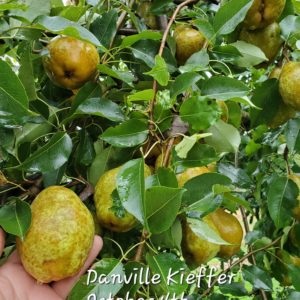
Select a tree size to be able to sign up for email alerts when the product becomes in stock.A grafted pear that begins to mature in October will ripen unevenly, turn yellow with a surprisingly sweet taste, and begin dropping free from the tree a few at a time in early to mid-October and will continue to drop into the first weeks of November here in the NorthEast. This Kieffer pear has extreme vigor and is very productive from an early age. The cultivar itself is too productive if planted in soil with adequate nutrients. It is overbearing with fruit. You will need to remove some fruit from this tree so it doesn't break branches. The disease resistance I have seen from this tree is at the top in a no-spray situation. The tree is annually productive and makes incredible pollination for Asian pears and European-style pears. Kieffer Pear will reach a mature height of 20'+. Plant Hardiness zones 4b-8
Select a tree size to be able to sign up for email alerts when the product becomes in stock.
The Korean Giant pear tree is a grafted, vigorous, upright-growing tree that produces large round pears. This tree has an excellent taste, drops free from the tree in mid-October, and continues well into November here in Pennsylvania. The tree pollinates well with all my European varieties. Korean Giant pear is a solid tree, bearing fruit annually, and typically begins producing its 3rd year after planting. My deer keep every fruit that falls free from this tree cleaned up. This Asian pear also has good resistance to fire blight, and pear scab will reach a mature height of 20'+. Hardiness zones 4b-8.
Select a tree size to be able to sign up for email alerts when the product becomes in stock.The Liberty apple tree is a fast-growing grafted apple tree that is probably the most widely planted standard-size apple tree for deer. This tree has excellent disease resistance and produces heavy crops of apples and does so annually. The Liberty apple tree is a vigorous, fast-growing apple tree immune to most common diseases, including apple scab and cedar apple rust—the fruit from Liberty Apple drops from September through October in the NorthEast. The fruit texture is mealy with a good apple flavor, making it one that the deer go after when you only have teeth on the bottom in the front of your mouth. Liberty apple is a fruit they pick up and gobble down fast, preferred during their dropping period. This tree will reach a mature height of 20'+. Plant Hardiness Zone 4-8
Select a tree size to be able to sign up for email alerts when the product becomes in stock.
This grafted pear tree produces a sweet, juicy pear with excellent flavor. Luscious Pears have a drop time from early September to early October. It produces small to medium-sized pears and has yellow-greenish skin with red blush. This pear has good resistance to fireblight in a no-spray situation. This tree has excellent vigor and produces annually dropping from early September through the beginning of October with a medium-sized European pear. This pear tree is precocious and begins producing at a young age. Luscious Pear will reach a mature height of 20'+. Suitable for plant hardiness zones 4b-7.
Select a tree size to be able to sign up for email alerts when the product becomes in stock.
This grafted pear tree, named Marble Hill, originates from North Central Vermont. This stand-alone pear tree produces a medium to large Comice-type pear with a complex, smooth, creamy flavor. The original pear tree resides in zone 4, where temperatures range from -25 to -30 each year, yet it bears heavily and annually without another pear tree in sight for miles. My Deer gobble these down as fast as they fall. The tree doesn't produce until year 4 or 5, depending on your soil, but after that, the production is outstanding every year.
Marble Hill drops free from the tree in September and into October, with a majority dropping during September here in central Pa. This tree has wide spreading limbs and will reach heights of up to 30' tall, and has remained very clean with no blight seen. This tree is simply a solid producer, producing annually even at -25 to -30 temperatures, making it an excellent choice for northern climates. This tree will reach a mature height of 20'+. Plant Hardiness zones 4 - 7
Select a tree size to sign up for email alerts when the product becomes available.
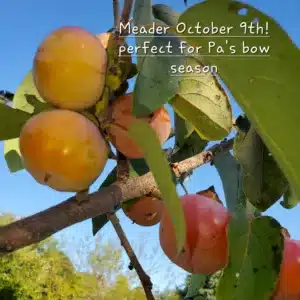
A Grafted female that is self-fruitful. Developed by the late Elwyn Meader in New Hampshire. Meader Persimmons is widely grown in colder climates Because of it being very cold, hardy to -30° F. This tree is heavy bearing with sweet fruit that ripens in early October, continues to drop into November, and has some fruit persisting on the tree into winter in the NorthEast. Meader will produce fruit annually, making this persimmon an excellent choice as it fully ripens here in central Pennsylvania and drops free from the tree for an extended time. The fruit is sweet and a nice sized at 2''. This is one of my favorites as I like to bow hunt in PA, and this tree drops slowly through our bow season, running from early October into late November. Mature height 40'-60'. Plant hardiness zones 5-9.
Select a tree size to be able to sign up for email alerts when the product becomes in stock.
Millers Persimmons produce one of the largest fruits for Native American persimmons at 2.5''+. This Grafted tree's fruit varies from a light yellow-orange to a dark orange-red color. This tree has an impressive upright spreading with great vigor. Millers Persimmons bears heavy crops of huge persimmons annually, dropping from October to late November in the Northeast. This tree is vigorous, early producing, typically producing the 3rd year. Mature height 40'-60'. Plant hardiness zones 5-9.
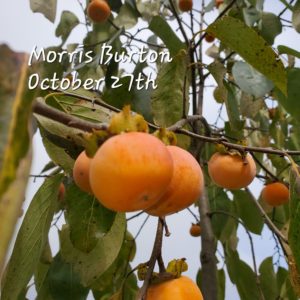
Select a tree size to be able to sign up for email alerts when the product becomes in stock.A grafted Female persimmon that is self-fruitful(we have no male trees) and early producing. Morris Burton bears heavy crops of persimmons annually that very slowly drop, beginning very late in central Pennsylvania. The tree is much more suited for the south if you're looking for something that falls in November, as it just wants to persist on the tree up here. This persimmon fully ripens on the trees in central Pennsylvania but sheds very little fruit and holds most of it throughout the winter. This would be an excellent choice if you're looking for persimmons falling late in the year in the Deep South. Morris Burton produces 1 1/2" - 2" persimmons with an okay flavor here, in my opinion, but I'm sure they would be better further south (the deer here suck them down). This tree is vigorous, early producing, and typically produces in the 3rd year. I added some pictures below to show you what I see from the deer and the tree in PA. The Mature height is 40'-60'. Plant hardiness zones 5-9.
Select a tree size to sign up for email alerts when the product becomes available.Blue Hills’s Northern Giant™ Hybrid chestnut is a massive tree that has survived the chestnut blight and Pennsylvania’s hot summers and cold winters in the ruins of an old farmstead. With its 13ft circumference, 70 feet in height, and 60-foot wide crown, it produces enormous loads of sweet nuts every year, dropping in late September and extending well through into late October. The nuts produced from these trees are large and very edible for humans and deer alike. This tree is a complex hybrid of chestnut genes once widely grown in the dominant chestnut growing region of early America – Eastern Pennsylvania. As the massive American chestnut crops produced northeast of Philadelphia succumbed to the chestnut blight, farmers rapidly ramped up production of the European, Japanese, and Chinese chestnut cultivars. And these farms spawned hybrids that still exist today. The Northern Giant™ Hybrid Chestnut has Chinese, Japanese, European, and American genes and has been identified as a Chinese x [(European x Japanese) x American] hybrid. Take advantage of this successful quadruple genetic hybrid and order two or more of them to assure cross pollination. Northern Giant™ is the most vigorous chestnut tree we have ever seen. The original group of trees has experienced -20 degrees, making them suitable for plant hardiness zones 4b-8
Select a tree size to be able to sign up for email alerts when the product becomes in stock.NY9® is a self-fertile European-type plum that produces a high-quality fruit. The fruit produced has blue skin with the flesh being amber-green and is around the size of a golf ball. It is a cross of Standard and Stanley which gives it excellent resistance to diseases like Black Knot. Black knot is one of the most common ailments to afflict plum trees. It is caused by the fungus Apiosporina morbosa and can severely limit the production of fruit trees. This tree is also very resistant to brown rot, blossom blight, leaf spot, and fruit rot. NY9® is grafted onto a Standard seedling rootstock making this a large tree with 20+ height. Adding a plum like this to your property could be very beneficial in attracting new deer and keeping those deer on your property. Plum trees will add diversity to your property and give the wildlife a greater selection of food sources to choose from. NY9® plum trees are great and worth adding to your property. NY9® has a September drop time with USDA zones of 5-8.
Select a tree size to be able to sign up for email alerts when the product becomes in stock.
This grafted tree produces a 1 1/2'' crabapple that begins bearing a lot of fruit at a very young age. This tree will typically begin bearing fruit the same year you plant it. October Crab™ has a very sweet taste, good disease resistance. In a no spray situation I have seen no fireblight, powdery mildew or cedar apple rust. I have seen some apple scab on the leaves but the fruit remains pretty clean in a no spray situation. It drops heavy crop loads at a heavy rate through the month of October and into November making this tree very desirable for bow seasons. The original October crab™ crabapple tree always has more deer sign under it compared to the many other wild apple trees in the same area.
October Crab™ is a deer’s favorite! This picture was taken October 6th, at this time the tree was dropping just a very few apples in Central Pensylvania. You can see the fruit is near perfect without ever being sprayed. This is one of those trees that if you only planted one you will wish you had 10 in time. This crabapple is yet another tree that may not be immune to insect pest that commonly remove a lot apples prematurely but definitely shows strong signs of resistance, for video click here. October Crab™ crabapple will reach a mature height of 20'+. Plant Hardiness zones 5-8
Select a tree size to be able to sign up for email alerts when the product becomes in stock.
A grafted, fast-growing tree with good disease resistance produces abundant annual crops of 1 ¾" crabapples at a very young age. The fruits are good for eating out of hand and for the deer. It is a highly vigorous tree and produces fruit annually. In a no-spray situation, I have observed excellent resistance to cedar apple rust, fire blight, and powdery mildew. I have observed apple scab developing on leaves in non-spray situations, particularly in years of excessive rainfall, and when the area is not mowed to break the cycle. I have the trees growing in a mowed area with no spray, and I have never seen any scab. The tree still produces bucket loads of fruit even in a no-spray, no-mow situation. The tree is still one of my favorites and has been for many years. Crabs are King!
Prime Time Crab will begin dropping in the last weeks of October and continue through November and December here in central Pennsylvania. This crabapple is also dropping a lot of fruit into December here in Pennsylvania, and I wouldn't have a fruit orchard without this tree in it. It doesn't take much time to look at my pictures of this tree, and you can see why I would not have an orchard with a few Prime Time crabs growing in it. For a video of a young Prime Time Crab, CLICK HERE. The tree is highly productive and provides a maximum draw at just the perfect time. This tree will reach a mature height of 20 feet or more. Plant Hardiness Zones 5-8
Select a tree size to sign up for email alerts when the product is in stock.This grafted tree produces a standard-size apple with great taste and excellent disease resistance. This tree has excellent resistance to apple scab, cedar apple rust, and fireblight in a no-spray situation. This tree stays very clean here and has remarkable growth. It ripens early but is a great tree and produces a desert-quality apple. A great apple for eating out of hand and many people's favorite. The Priscilla apple has consistent crops making it an excellent source for your wildlife and some early trail camera photos. Priscilla will reach a mature height of 20'+. Plant Hardiness zones 4-8.
Select a tree size to be able to sign up for email alerts when the product becomes in stock.
This Grafted tree produces an abundance of super sweet pears that begin ripening on the tree in mid-November. The original tree is HUGE for a pear tree. It has over a 6’ circumference at the bottom, stands well over 60’ tall, and is a 60+-year-old tree with zero signs of ever having fire blight. When I gained permission to access this tree, the owner told me “o, that pear, the deer really love that one.” I knew this because I had been watching this pear for years that even in Pennsylvania's heavily pressured rifle deer season it was a given that morning or evening, there would be deer under this tree. This tree produces an abundance of super sweet pears ripening on the tree, remaining palatable, and begin dropping mid-November 2 weeks after Kieffer pear. Rifle Deer Pear™ only drops for a few short weeks….Therefore making this a powerful and fast draw that typically ends the 1st week of December. As I observed this pear tree dropping, I noted that there were never any on the ground and always loaded with deer signs! This tree produces an abundance of pears annually. The Rifle Deer Pear™ would be perfect for jams and jellies, but we're not looking for that here. We are looking for a tree that’s highly desirable by deer, and this tree is one of them! This tree has seen a low temperature of -22 degrees which would place it hardy in zone 4b. However, This makes it a solid pear tree for planting in Hardiness zones 5-8. Rifle deer pear will reach a height of 20'+.
ONLY AVAILABLE IN 2YR OLD TREES.
Select a tree size to be able to sign up for email alerts when the product becomes in stock.This Grafted crabapple is a prolific tree that bears heavily and annually. The Road Kill Crab™ is an exceptional tree. It is disease resistant, producing heavily on one-year-old wood, making for a tree with weeping branches loaded with crabapples. These 1'' to 1 1/2" crabapples are spicy tart and attractive to the whitetail deer. Roadkill crab™ has extreme vigor and grows exceptionally fast. The original Road Kill crab™ tree has claimed a lot of deer as it hangs over the roadside. Road kill deer always lie on the Road beneath the original Road Kill Crab™ tree. This tree earned its name and has proven exceptional when looking to feed or attract deer.
The crabapples from this tree start to shed a few in early October and continue well into December. Like many Crabapples, some years Road Kill Crab™ likes to persist and may need some good wind to pour crabs to the ground. The Road Kill Crab™ is very precocious and generally bears fruit the same year as planting. This tree is self-fertile and has extreme vigor among the cultivars grown here. In a no-spray situation, I have seen excellent resistance to apple scab, cedar apple rust, powdery mildew, and fireblight or immunity. The mature height of Road Kill Crab™ is 20'+. Plant Hardiness Zone 4b-8.
The RubyRush™ apple is a cross between two popular apple trees widely planted for wildlife Enterprise and Goldrush apple. This apple tree has excellent resistance to apple scab, FireBlight, and Cedar Apple rust in a no-spray situation. The fruit is crisp and great for fresh eating on the way to the stand or feeding wildlife as this fruit ripens and begins falling in October and continues into November here in Pennsylvania. RubyRush™ is vigorous and maybe too productive as it can go into bi-annual bearing if not thinned. However, I will take a disease-free apple falling at the right time (Oct/Nov) on my properties and as many as possible. RubyRush™ is suitable for plant hardiness zones 4b-7. Mature height will be 20'+—plant Hardiness zones map.
Select a tree size to be able to sign up for email alerts when the product becomes in stock.The Seckel pear is a very sweet variety, also known as the sugar pear, for a good reason. The tree produces fruit in clusters annually and falls free from the tree for me pretty much the entire month of September in central Pennsylvania. It exhibits some resistance to fire blight and good resistance to most common pear diseases. I use this pear to condition my deer, as its high sugar content has them cleaning all the pears up every day. The tree is suitable for plant hardiness zones 4b-8 and will reach a mature height of 20'+.
Select a tree size to sign up for email alerts when the product becomes available.
Don't let the name fool you. Smitty's Seedling is a grafted tree from a chance seedling out of central Minnesota. This apple begins dropping during September and continues into October. A large portion of this fruit will be falling during September. The sweet fruit has sizes varying from 2" to 4". The tree is cold hardy down to -40 and produces annually with lighter crops in some years. The apple is medium to large, sweet, and firm, with a crisp crunch. This grafted tree is productive and vigorous. This tree has great built-in disease resistance and makes for an excellent tree when planted for wildlife. When looking to put a sweet apple on the ground during this time and attract deer to an early plot. Smitty's Seedling has resistance to apple scab, cedar apple rust, powdering mildew, and fireblight by watching the tree here and in Minnesota. This tree is suitable for human consumption or adding to your cider mix. Smitty's Seedling will test anywhere from 13-18 brix, mainly depending on the size of the fruit and how much sun exposure (more red coloring) the fruit had. Hardiness zone 4 - 7.
Select a tree size to be able to sign up for email alerts when the product becomes in stock.
Select a tree size to sign up for email alerts when the product becomes available.
Striped June apple is, very simply put, the most Productive, disease-resistant early apple possible, which will be falling free from the tree the earliest in a given year on any property and for many miles around. That statement alone makes me want to plant some, as I know I have bucks that are not yet transitioning to fall patterns. However, I know from my 40 cameras when a deer pops in for a day or two. These would be bucks, I know from the previous year, that will transition to me in the fall. I love to feed soft mast as soon as I can, until as late as I can, and this apple does the job of being the first to drop for me from mid-June into the first week of July. This 2''- 2 1/2'' apple is tart with a sweet flavor on the back end, and one that deer seem to prefer; it is also very suitable for human consumption. Striped June apple has high resistance to all apple tree diseases, whether it's being planted in the far south or the north, every bit as much as liberty apple or better. The tree is annually productive, vigorous, hardy, and suitable for plant hardiness zones 4b-8 with a mature height of 25'. Hardiness zones 4b-8
Only available in 2-yr trees.
Select a tree size to sign up for email alerts when the product becomes available.
This grafted pear tree will grow very tall with long weeping branches full of large, sweet European-style pears. They begin dropping in very late October and continue in through November into early December. The Sweet Advent™ pear tree produces heavily and annually with a strong resistance to fireblight and many pear diseases. This tree has extreme vigor and is very precocious producing a lot of fruit at an early age, Sweet Advent is tip bearing as well as spur bearing (this tree is over bearing of fruit please remove fruit from young trees and keep the central leader free of fruit). Sweet Advent™ pear is the best pear tree I have ever grown for wildlife.
The fruit of this pear tree is also is very edible to humans as well as deer. The Sweet Advent pear™ tastes great when picked off the tree in early November; as colder weather moves in, the sugar content in this pear goes extremely high (sugar content is almost too high for human consumption as freezing and thawing takes place). This process takes place in early to mid-November and will make this tree irresistible to all wildlife and be a favorite to my local deer. Sweet Advent™ pear will reach a mature height of 20'+. Suitable for plant hardiness zones 4b -8. For a video of Sweet Advent pear™ click here.
Select a tree size to be able to sign up for email alerts when the product becomes in stock.
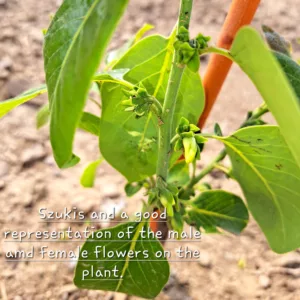
A grafted female persimmon that is self-fruitful and produces a 2" Persimmon annually. Szukis is a tree that produces as many male flowers as it does female flowers. To this date, there are no other trees as perfect as it. If you want to start making seeded fruit from our other persimmons, this would be one to add to your orchard. Don't let the name fool you. This is a 90-chromosome true American persimmon thought to be from a seedling of Early Golden. Szukis produces fruit at a very young age and is annually productive. The fruit ripens in early October here in the Northeast and begins dropping into November. The tree is upright and spreading, reaching a mature height of 60'. This tree is very suitable for plant hardiness zones 5-8 in this map, Plant Hardiness Zones.
Select a tree size to be able to sign up for email alerts when the product becomes in stock.
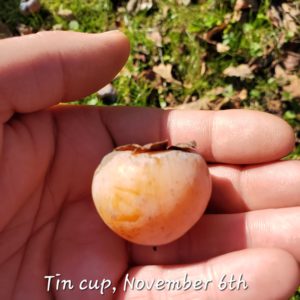
A grafted female persimmon that is self-fruitful, producing 1 1/2' + Persimmon annually. The original tree resides in northwestern NY and is around 30 years old. The fruit fully ripens on the tree, even though it is exceptionally north of the persimmon's native home range. Tin Cup persimmons fall free from the tree on October 1st and continue into mid-November. During this time, the fruit is very sweet and, of course, is devoured by all wildlife and deer alike. As with most 90-chromosome persimmons, Tin Cup has withstood winter lows of -30°F at a very young age. This fact, accompanied by its ability to ripen early in the extreme north, enables this tree to extend its range much farther north than its original location in northwestern NY and fully ripen. This tree is very suitable for plant hardiness zones 4b-9. The vigor is exceptional on this tree, and it may be the fastest-growing 90 chromosomes persimmons I have ever seen when grafted onto 90 chromosomes roots. Tin Cup's mature height will be 60'+
Select a tree size to be able to sign up for email alerts when the product becomes in stock.This grafted crabapple is a tree that grows very upright, nicely spread, and exhibits good resistance to common apple tree diseases. Trailman showed excellent resistance to apple scab and cedar apple rust in a no-spray situation. Trailman crabapple produces heavy annual crops of 2’’ apple crabs. It is an excellent-tasting apple that drops free from the tree in mid-August. I would explain the taste as tropical with a good texture. Simply a great apple to start that feeding pattern. Trailman crabapple will reach a mature height of 20'+. Plant Hardiness Zones 3-8.
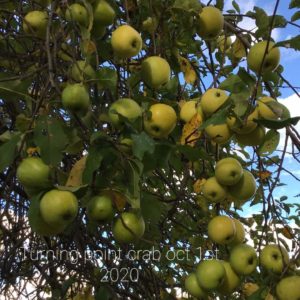
Select a tree size to be able to sign up for email alerts when the product becomes in stock.Some trees can produce fruit each year as sure as the sun comes up tomorrow, and Turning Point™ is just one of those trees. This grafted apple crab produces heavy crops of giant crabs to 2"+ sweet apples annually that hold well to the tree and drop from Mid-October well on through winter. A good portion of this fruit will fall during Late October and into November for most of the country's northern half. If you're like me, you want your property to peak in November. I like that the Turning Point™ tree ripens unevenly and gives me a substantial drop during a pivotal point in buck movement in November here in the NorthEast. Turning point™ apple is a Late-season apple by the sheer fact that it produces so much that the drop continues well into winter. This apple tree shows strong resistance to C.A.R, Apple Scab, powdery mildew, and fireblight here in the Northeast.
Turning Point™ is a tree that does not ripen at the same time. A huge bonus! This tree will have deer looking for its sweet-tasting fruit in October as apples start falling. That dependable attraction will continue well into the winter months. Turning point™ is a tree that has already proven fantastic here in the north. I believe that this tree will prove itself to possibly be one of the best late-season apple trees to hit the south that has ever come along. I could write on and on about this tree, but it's easier for me to show you a video. Click Here to see the video.
Turning Point™ has readily seen temperatures of -35 degrees, making it well suited for Northern Climates With all of its great qualities, Turning Point™ is an essential Mid and late-season apple tree for providing a substantial food source for all wildlife, especially deer, even into the winter months Turning point™ apple will have a mature height of 20'+ Suitable for plant hardiness zones 4-7
Select a tree size to be able to sign up for email alerts when the product becomes in stock.
Whole Season™ crabapple is a very precocious tree that will fruit aggressively at an early age, grows 1 1/2” “Honey Crisp tasting” apples, has good resistance to common apple tree diseases and insects, produces heavy annual crops, and is a very vigorous growing tree. While no tree is immune to insect pests, I have watched coddling moth remove many standard size apples in my tree plots, while Whole Season maintained a heavy fruit load. Whole Season™ Crabapple will begin dropping the last week of September and persist into the New Year, with a majority of the crabapples being released from the tree during October/November. The unique aspect of Whole Season is that the crabapples ripen unevenly which provides a very nice extended drop time. The deer are still visiting this tree all December long and into the New Year. Whether its October or December, the apples are cleaned up every night. Apples will continue to drop through January, making this the perfect food plot tree. They even remain very palatable and attractive to the whitetail deer at this time. This tree was still highly desired by the deer with a few hundred other wild apple trees in this area and several commercial apple orchards within the immediate area of this wild tree. Whole Season™ will reach a mature height of 20'+. Plant Hardiness zones 5 – 8. To see a video of why this tree got named Whole season click here.
Select a tree size to be able to sign up for email alerts when the product becomes in stock.Wild Crabapples
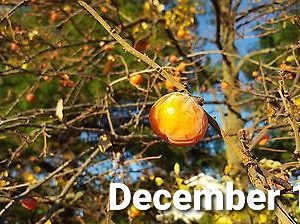
The wild crabapple trees are grown from seed derived from Dolgo, Kerr, Road Kill™, PrimeTime, October Crab™ Winter Crabarina™, Callaway, and Grams Gift™ crabapples. These are not grafted trees. Therefore, each tree will be unique and a one-of-a-kind new crabapple variety. If you click on the pictures, you will see many variations of fruit coming from dolgo seedlings and others. These trees will produce crabapples edible to grouse, turkeys, and, most importantly, the white-tailed deer. Each tree has many variations, including fruit size, drop times, taste, and disease resistance. For a short video on our Wild Crabapples, Click Here. These will grow a 20'+ tall tree and do well in just about any soil type and condition. Planting wild crabapple trees is an excellent choice for feathered field edges or if you have a vacant field and want to provide a food source falling from above. Create a crabapple thicket when spacing them 10' to 15'. These are great for many habitat improvements and creating a food source for all wildlife. These are sold in bundles of 10 in 1-2' and singles in 2-3', or you can select 3' - 4'. They will have the terminal bud attached and are well-rooted. Suitable for plant hardiness zones 4 - 8. Note: You will see variations from the original trees, but variations that make significant habitat improvements! The pictures show the different variations of fruit grown from Dolgo and others. These can be grown in tree tubes, and magnifying a tree of this vigor in mass plantings allows for something exceptional if you're looking for that crabapple thicket with fruit constantly dropping. Spring Shipping Only/ Select Your Shipping Date at CheckoutThis grafted crabapple produces a 1 ¾” and has a flesh that remains very palatable at a time when food supplies are low. Winter Crabarina™ will offer amazing attraction whether you’re looking to do a little late season hunting or just help your deer herd through the tough winter months. This prolific tree has excellent resistance to common apple tree diseases, is very productive, and a very late dropping crabapple with very heavy fruit loads. In a no spray situation I have seen excellent resistance or immunity to apple scab, cedar apple rust, fireblight and powdery mildew. The first picture is from December 5th, the second from January 21st, and the third one of the apple is from mid-February. As you can see, the flesh is still very intact even after many freeze/thaw cycles! This tree is very productive, fruits profusely on 1-year old wood, very vigorous and early producing. For a video to see what Winter Crabarina™ looked like the following year after these pictures click here. This tree will reach a mature height of 20'+. Plant Hardiness Zones 5-8
Select a tree size to be able to sign up for email alerts when the product becomes in stock.
A grafted pear tree that bears very heavy annual crops of golf ball size to 2’’ pears that drop from January – March. This tree is very vigorous and produces abundant fruit annually, and it tastes at this time of year like sweet fermented fine wine. Winter Deer pear™ are simply a great winter food source! Having soft mast laying on top of the snow during winter draws a lot of attention from all wildlife. Winter pear is simply a great winter food source! Winter Deer pear™ tree will reach a mature height of 20'+. Plant hardiness zones 5-8.
Select a tree size to be able to sign up for email alerts when the product becomes in stock.These two source trees are isolated most likely pollinating each other. These two trees both reside here in Pennsylvania but would make an excellent tree to plant from here to southern Wisconsin. The Woodland Chestnut trees are both near 80’ tall with a circumference that it would take 3 people hand in hand to go around these trees!
They produce an annual abundance of medium to large, very sweet chestnuts at a very early age ( 3-5 years depending on your soil conditions) which flower well after the chance of frost. Woodland Chestnuts are very fast growing, and will get HUGE! They have excellent blight resistance and are very cold hardy. These trees have been through "ambient temperature" of -22 degrees. The Woodland Chestnut will grow some truly GIANT chestnut trees! Do NOT plant in with fruit trees as they will end up shading out your entire orchard. They are an excellent tree for planting after a timber harvest.
Select a tree size to be able to sign up for email alerts when the product becomes in stock.Yates apple is a heavy, annually productive, grafted apple tree; really, Yates is an apple crab. With its "Southern Roots", many people would think that the Yates apple isn't a good Northern apple. Yet, this tree thrives well in temperatures as low as -25 degrees, making it a solid apple tree for zone 4b. The Yates apple tree is a heavy annual producer with a great-tasting 2" apple crab that has enough resistance to common apple tree diseases to produce good crops in a no-spray situation. Yates has resistance to apple scab, fireblight, powdery mildew, and cedar apple rust. The leaves are not pristine on this tree, but I'm not trying to feed the deer the leaves; the apples are always the next thing to perfect. This tree has a great drop time from October to November and well into December, depending on the planting location. In the south, Yates will drop October into mid-November. The farther you move this tree north, the later it hangs. Here in Pennsylvania, this tree begins dropping fruit in late November and continues through December. The tree is as dependable as they come; the picture you're looking at is of yates producing after a mid-May 26° freeze. The Yates Apple Crab will reach a mature height of 20 feet or more. Plant Hardiness zones 4-8
Select a tree size to sign up for email alerts when the product is in stock.
This persimmon is a grafted female that is self-fruitful and will produce without a male pollinator. The fruit ripens in late September and begins falling free from the trees. Yates Persimmons will continue falling through the month of October here in Pennsylvania. The fruit is sweet at this time and 1 1/2'' - 2'' in size. The tree is annually productive and will reach a mature height of 60'+. Yates persimmons are suitable for plant hardiness zones 5-9 in this map, Plant Hardiness Zones.
Select a tree size to be able to sign up for email alerts when the product becomes in stock.